Toenails hide in boots from November to March, so plenty of Salisbury feet wear the same polish for the entire season. Out of sight is not the same as harmless, though, and the answer to whether winter-long polish is fine depends on which polish, how it comes off, and whether your nails ever get inspected in between. This is a genuine either-way decision, so here is the comparison laid out plainly.
Toenails grow much more slowly than fingernails, which cuts both ways. Polish lasts longer because there is less growth pushing it out, and any staining or damage underneath also lingers longer because the nail takes many months to replace itself.
The two winter strategies, side by side
| Factor | Polish on all winter | Planned polish breaks |
|---|---|---|
| Convenience | Highest. One pedicure can carry the season, with touch-ups as needed. | Lower. Polish comes off for a week or more between applications. |
| Nail color | Dark and red shades can leave yellow staining after months of contact. | Staining is rare when polish sits for shorter stretches over a base coat. |
| Health checks | Poor. Discoloration, thickening, or a dark streak under the nail stays hidden. | Good. Bare weeks are when you actually see the nail and catch changes early. |
| Surface condition | Repeated polish left to wear off on its own can leave nails dry and chalky. | Regular removal plus moisturizer keeps the surface smoother. |
| Fungal risk awareness | Polish itself is not the cause, but it can mask early signs in warm, damp boots. | Visible nails make early changes easier to spot and act on. |
| Best for | Healthy nails, lighter shades, base coat used, polish still removed and checked monthly. | Anyone with past staining, thick or brittle toenails, diabetes concerns, or a history of nail fungus. |
Why yellowing happens
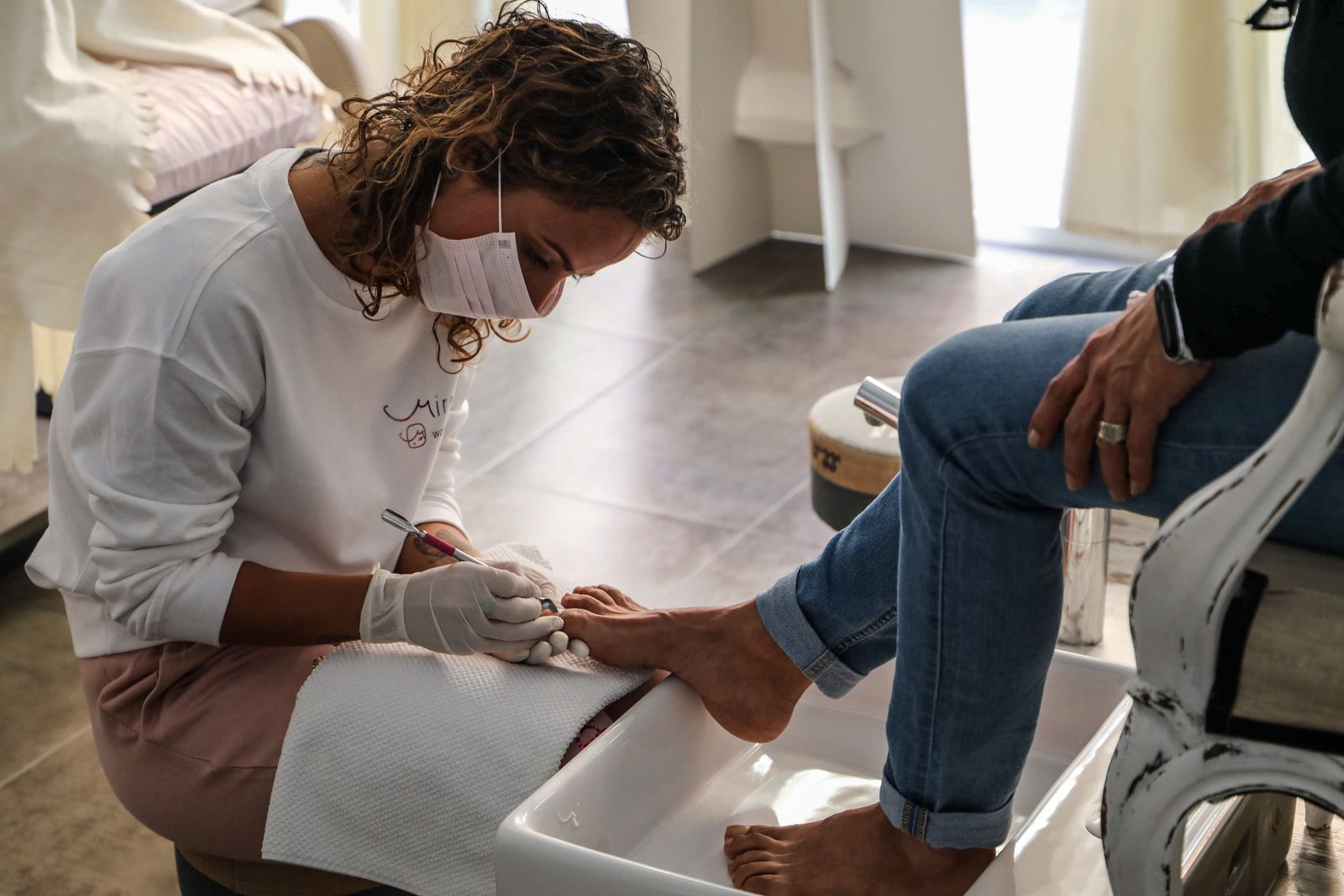
Yellow toenails after a winter of polish are usually stain, not disease. Dark pigments sit against the nail surface for months, and the porous top layer absorbs some of that color, especially without a base coat barrier. The stain grows out with the nail, which for a big toenail can take a year or more. It looks alarming and is mostly cosmetic, but that is the catch: mostly. A yellow nail can also signal fungus or other problems, and polish makes it impossible to tell the difference by looking. If yellowing comes with thickening, crumbling edges, or a nail lifting from the bed, that is a doctor or podiatrist question, not a salon one.
The middle path most feet do well on
You do not have to pick a side forever. The workable compromise used by plenty of clients at E Nails & Spa is polish with planned exits: wear it for a stretch of weeks, remove it fully rather than letting it chip away, and leave nails bare for at least a week while you look at them properly. Use that bare week to moisturize, check each nail in good light, and note anything that changed. Then repaint if all looks normal. In practice that means two or three real removals across the winter instead of one marathon coat.
Removal breaks matter as much as polish breaks
How polish leaves the nail counts. Peeling and scraping old polish off dry toenails roughens the surface and thins the edges, which then snag inside socks and boots. Proper removal is unglamorous: soak with remover until the polish wipes away, wash, dry thoroughly (especially between the toes), and moisturize once the nail is fully dry. In a Salisbury winter of closed shoes and indoor heat, that dry step matters, since trapped moisture under a fresh coat is an invitation for trouble.
A simple winter rule
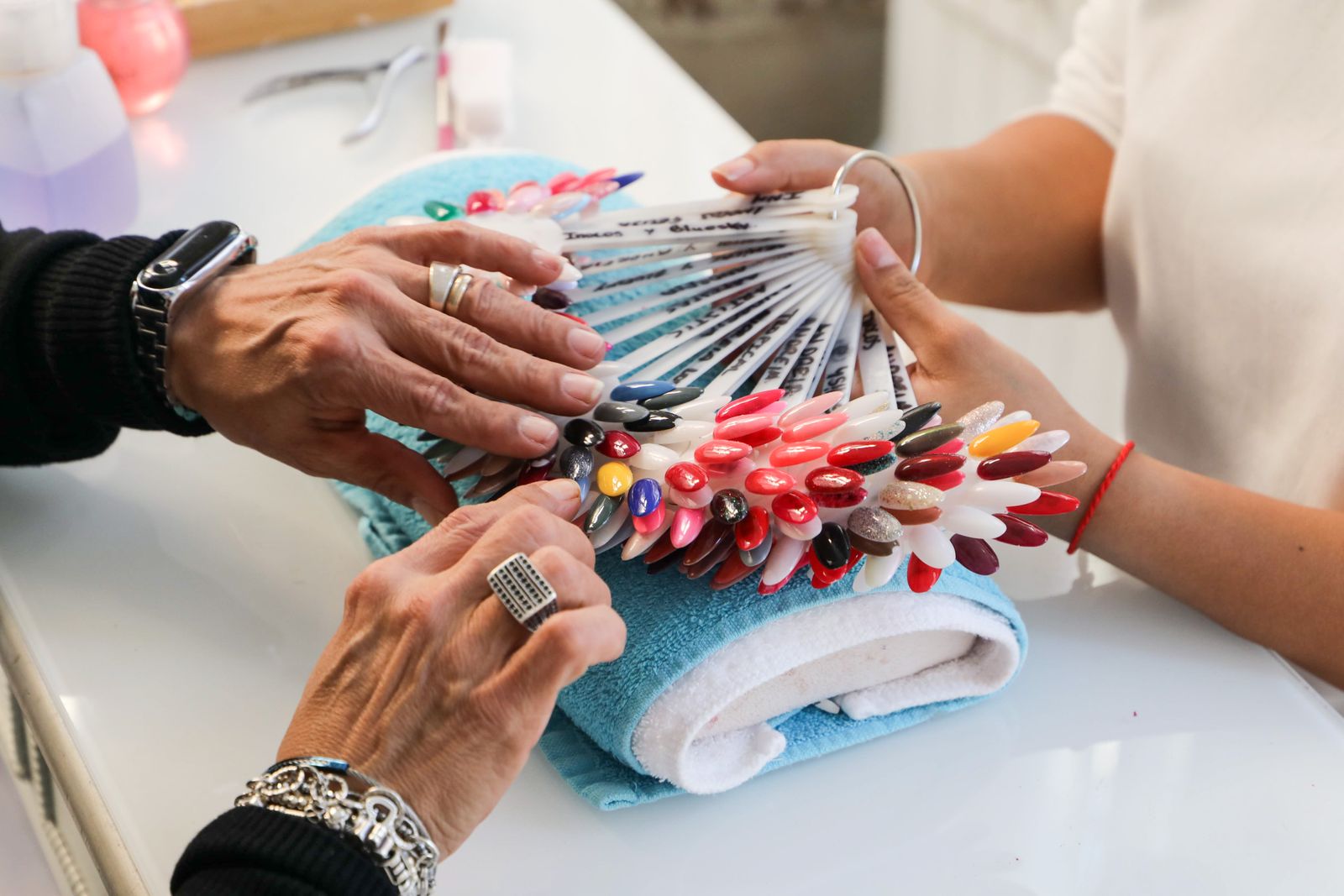
If your toenails are healthy, use a base coat, pick shades on the lighter side for long stretches, and still schedule removals where someone sees the bare nail, winter polish is fine. If your nails have stained before, thickened, or never get a bare week, the breaks column wins. Either way, the non-negotiable part is inspection. Polish is decoration; the nail under it is the thing you are keeping.
Common questions
How long is too long to leave toenail polish on?
As a working rule, remove and inspect every four to six weeks even in winter. Months without a look underneath is where staining and missed problems start.
Does a base coat really prevent yellowing?
It helps a lot. The base layer sits between pigment and nail surface, so most staining lands on the coat instead of soaking into the nail.
My toenail stayed yellow after removal. Now what?
If the nail is otherwise normal, the stain will grow out slowly. If there is thickening, crumbling, pain, or lifting, skip the salon and get it checked medically.
Photos in this guide are representative stock images.
← All guides from E Nails & Spa← Back to E Nails & Spa