Your own nails are almost long enough. They bend when you open a can, peel at the corners, and snap right at the point where they were finally getting somewhere. That is the exact problem builder gel was made for. A builder gel overlay is a thicker, stronger gel layer applied over your natural nail, with nothing glued on and no length added unless you ask for a small repair. At E Nails & Spa in Salisbury, it sits in the middle of the menu: stronger than regular gel polish, lighter than acrylic, and built around the nail you already have.
The neglect version of this story is familiar. Weak nails get left bare because polish chips, bare nails bend and split, and each split has to grow out from wherever it broke. Understanding what an overlay does, and what waiting costs your nail length, helps you decide whether the structure is worth the upkeep.
What builder gel actually is
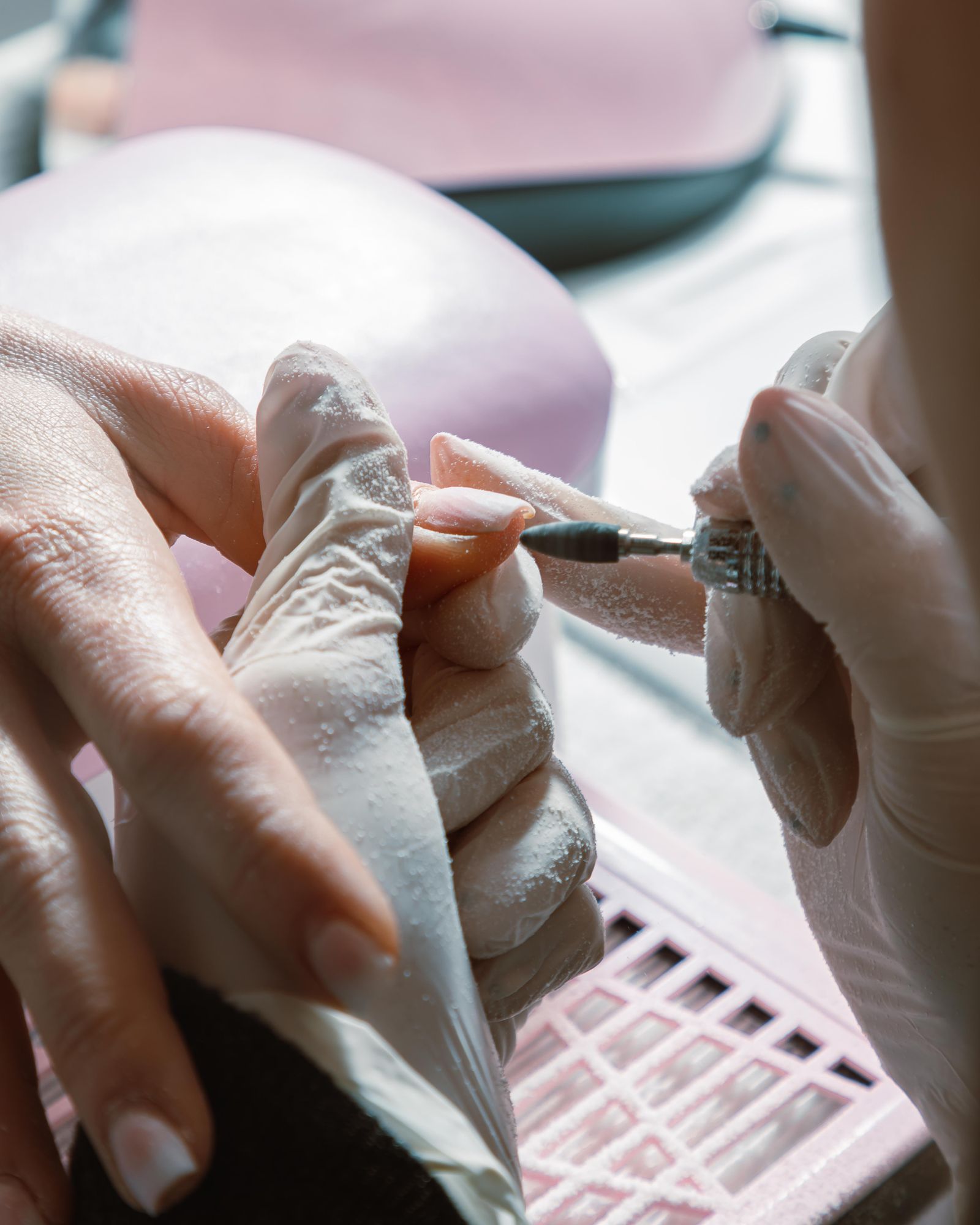
Regular gel polish is a thin color coat. Builder gel is a thicker gel that cures under a lamp into a hard, supportive layer, closer to a clear brace than a coat of paint. The technician shapes your natural nail, preps the surface, applies the builder in a way that puts a little extra strength over the stress point in the middle of the nail, cures it, then finishes with color or a clear top coat.
Because the support follows your own nail, the result looks like your nails on a good day: same length, same shape, with a smooth surface that does not flex every time you type, button a shirt, or dig keys out of a bag. One nail that is shorter or damaged can sometimes be built up slightly to match the rest, which is repair work, not a full extension.
The numbers that explain the upkeep
Those numbers are the whole maintenance logic. Nails grow a few millimeters a month, so the strengthened zone slowly moves forward and a bare gap appears at the cuticle. At two to three weeks that gap is small and a fill is quick: the old surface is refined, new builder is added where the nail has grown, and the balance point moves back where it belongs. Wait six or eight weeks and the thickest part of the overlay sits near the free edge, which is exactly where leverage works against you.
What waiting actually does
An overdue overlay rarely fails all at once. First the edge lifts a fraction where the grown-out product meets water and daily work. Moisture gets under the lift, the nail flexes underneath a layer that no longer flexes with it, and a crack that would have been a fill appointment becomes a break below the stress point. Now the nail has to be shortened, sometimes built back up, and the length you spent two months growing is gone in one snag on a car door.
Peeling makes it worse. Pulling a lifted overlay off takes surface layers of natural nail with it, leaving a thin, rough patch that splits more easily than the nail did before you started. The cycle people blame on gel (weak nails, break, regrow, break again) is usually a removal and timing problem, not a product problem. A soaked-off removal and a fresh overlay on a healthy nail is a completely different outcome from a pried-off overlay on a nail that was already overdue.
Who overlays suit, and who they do not
Overlays suit growers: people whose nails reach a certain length and always break at the same spot, people who work with their hands but cannot wear extensions, and people who like gel polish but get chips at the free edge within days. They are also a sensible step down for someone leaving acrylic behind who wants support while the thinner grown-out section clears the nail bed.
They are less useful if you want a dramatic length change, since an overlay follows your nail rather than extending it much. They are also a poor fit if you know you will not come back for fills. A product that needs attention every few weeks is the wrong choice for a twice-a-year manicure habit, and a classic manicure with regular polish you can remove at home will serve you better.

Looking after an overlay between visits
Cuticle oil daily sounds like a small thing because it is one, and it matters: hydrated nails flex slightly instead of snapping, and the skin around the nail stays sealed. Wear gloves for dishes and cleaning, since long hot water soaks soften the bond at the edges. Use your nails as tools as little as you can manage. Opening packages with the side of a finger instead of the tip is boring advice that saves more length than any product.
If an edge lifts, do not glue it down at home and forget it. Trapped moisture under a sealed lift is how green discoloration starts. Keep the nail dry, file nothing aggressively, and get the fill moved up. Small lifts handled within days are routine; lifts left for weeks are where the real damage, and the real regrowing time, comes from.
Common questions
Does builder gel damage natural nails?
Applied and removed properly, it should not. Most damage comes from prying off lifted product or over-filing during removal, not from the gel itself sitting on the nail.
Can I switch from overlay to regular polish later?
Yes. The overlay is soaked or filed off by a technician, and the natural nail underneath can go back to classic or gel manicures once the surface is checked.
How do I know I am overdue for a fill?
When the bare gap at the cuticle is obvious, the nail feels top-heavy, or an edge starts to catch on hair and fabric, you are past the easy fill window.
Photos in this guide are representative stock images.
← All guides from E Nails & Spa← Back to E Nails & Spa